Adult Children & Siblings
Brothers and sisters deciding how to share care, time and costs for a parent, and how to make decisions when they do not agree.
Making decisions together for someone you love
When an aging parent or an adult family member needs more help, families have to make hard choices about care, money, housing and who does what. I give your family a calm, neutral place to talk it through and build a plan everyone can live with.
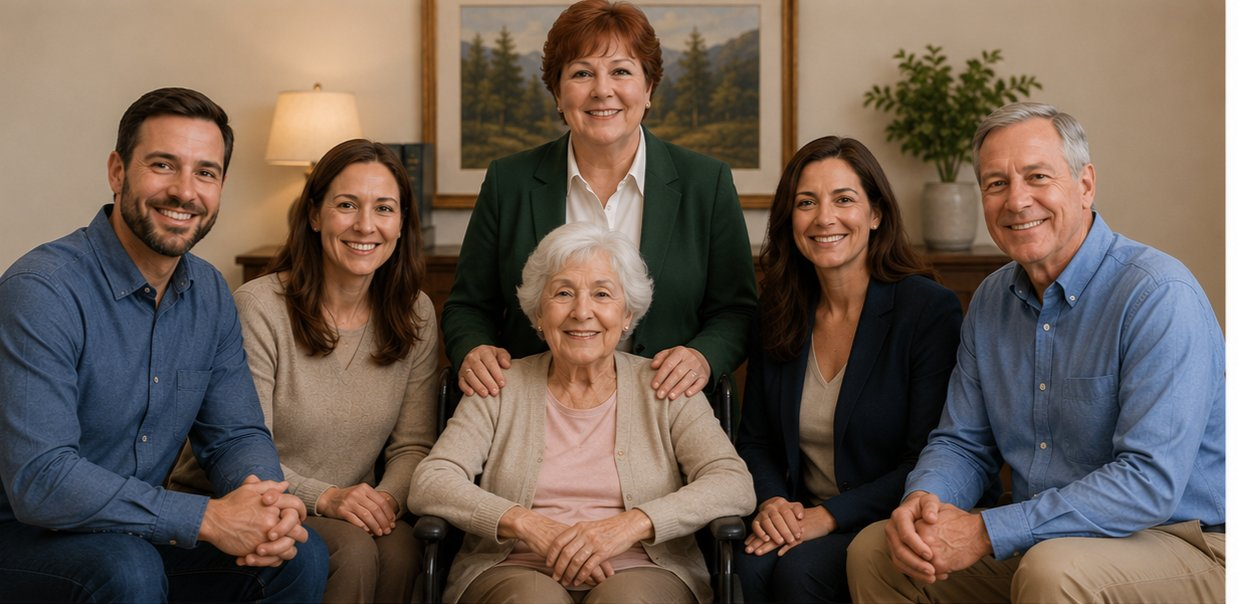
Caring for an aging parent or an adult family member touches everything at once: health, money, the family home, work schedules and old family history. One sibling lives nearby and carries most of the daily care. Another lives across the country or overseas and worries from a distance. A spouse is exhausted. Everyone loves the same person and still sees the situation differently.
Mediation gives each person a fair chance to be heard and keeps the focus on the person at the center of it all. Together, you build a written plan that reflects their wishes, your family's values and what each of you can realistically give.
Every family brings its own traditions to caregiving. Some expect a parent to move in with an adult child. Some want care that honors their faith, language or culture. Some include stepfamily, partners or close friends who are family in every way that matters. Your family defines who belongs at the table.
Brothers and sisters deciding how to share care, time and costs for a parent, and how to make decisions when they do not agree.
A spouse or partner who has become a caregiver and needs the rest of the family to understand what they need and how to help.
Families living under one roof, or planning to, who need clear agreements about space, money, privacy and daily care.
Stepchildren, adult children from different marriages, partners and close friends who all care about the same person and need a fair process.
Parents, siblings and caregivers planning long term support for an adult family member, including who steps in as parents age.
Relatives in different cities, states or countries who need one conversation instead of years of phone calls that go nowhere.
Staying at home with support, moving in with family, assisted living, memory care or a nursing facility.
Who handles appointments, meals, medications, transportation and daily check ins, and how to give the main caregiver real breaks.
How care costs are shared, whether a family caregiver is paid, and how household and care expenses are tracked and reported to the family.
Whether to keep, rent or sell the home, and how to handle belongings, vehicles and other shared property.
How the family will honor a loved one's wishes about medical care and end of life, and how information is shared among family members.
Disagreements about who serves under a power of attorney, how that person keeps everyone informed, and how the family settles future disputes.
How often family members visit, how updates are shared, and how to work with care facilities and providers as one team.
Contested guardianship matters, including cases a Texas court refers to mediation, and less restrictive options families want to explore first.
Old hurts that resurface during a crisis. Mediation keeps the conversation focused on today's decisions and tomorrow's plan.
I mediate Texas cases only, and every session is held by Zoom. Family members can take part from anywhere in the world, with no travel and no time away from a loved one who needs care.
The person you are caring for is welcome to take part when they are willing and able. They can join for the whole session or just part of it. Their voice matters most.
Everything said in mediation is confidential under Texas law, so each person can speak openly.
If your plan changes who manages money or property, who makes medical decisions, or whether a guardianship is needed, each party should have their own attorney review the agreement before signing. Texas also allows supported decision making agreements and other options that are less restrictive than guardianship. An attorney can explain which one fits your family.
Mediation is not the right tool when an older adult or an adult with a disability may be in danger. Report your concern to Texas Adult Protective Services through the Texas Abuse Hotline at 1‑800‑252‑5400 or at TxAbuseHotline.org. In an emergency, call 911.
Texas law requires anyone who believes an older adult or an adult with a disability is being abused, neglected or exploited to report it. That duty applies to me as your mediator, even though mediation is otherwise confidential.
Additional time is billed at $75 per hour per party. Each party pays their own share. Payment is due when the Agreement to Mediate is signed. I offer fee reduction for some cases. Your fee will be confirmed during your free initial consultation.
Yes, and they are encouraged to when they are willing and able. Their wishes are at the center of the conversation. They can join for the whole session or only part of it, and breaks are built in.
Yes. I mediate Texas cases only, and every session is held by Zoom, so family members can take part from anywhere in the world.
A written agreement can be prepared as a binding contract when everyone signs it. For decisions that involve powers of attorney, wills, guardianship, property or benefits, each party should have the agreement reviewed by their own attorney before signing.
Mediation is voluntary, so no one can be required to join. A private conversation with each person first often helps a reluctant family member see that the process is fair and that their concerns will be heard.
No. A mediator cannot decide anyone's legal capacity. That takes a medical evaluation and, when a guardianship is involved, a court. Mediation can help your family agree on how to get that evaluation and how to support your loved one in the meantime.
Elder and adult care mediation is $200 per party for a four hour session. Additional time is billed at $75 per hour per party. Each party pays their own share, and payment is due when the Agreement to Mediate is signed. I offer fee reduction for some cases. Your fee will be confirmed during your free initial consultation.
I am Lynnette Nadeau, a TMCA Credentialed Mediator trained in elder and adult care mediation. My background includes work as an EMT and a crisis counselor, foster parenting, and community board service with United Way and DFPS. I know what it looks like when a family is under strain, and I know how much it means to leave the room with a plan.
Schedule your free initial consultation. We will talk about your family's situation, who should take part, and whether elder and adult care mediation is the right next step.
Free initial consultation · Confidential · No obligation